
Filing for divorce in Los Angeles County involves much more than submitting a single form to the court. California has specific residency requirements, filing procedures, mandatory financial disclosures, service requirements, and waiting periods that must be completed before a divorce can be finalized. Missing paperwork or completing forms incorrectly can slow the process and require additional filings before the court can move your case forward.
This guide explains how the California divorce process works for self-represented individuals filing in Los Angeles County. Superior Court Docs helps clients prepare divorce paperwork, organize the required documents, and navigate the document preparation process from beginning to end. As a registered Legal Document Assistant, we prepare court documents based on the information you provide but do not offer legal advice or represent clients in court.

Before filing for divorce, California law requires at least one spouse to satisfy residency requirements. In most cases, one spouse must have lived in California for at least six months and in Los Angeles County for at least three months before the divorce petition is filed. Meeting these residency requirements allows the court to hear the case and move it through the divorce process.
Residency requirements are based on where a person has established legal residence rather than where they may be temporarily staying. People who recently moved to California or relocated to another county should confirm they satisfy the residency requirements before filing to avoid unnecessary delays.
Filing also requires choosing the appropriate Los Angeles County Superior Court location based on local court procedures and the circumstances of the case. Once residency requirements have been met, the next step is preparing the documents needed to officially begin the divorce.
Every divorce follows a series of required steps before a judgment can be entered. The exact paperwork varies depending on the circumstances of the marriage, particularly when children, property, or support issues are involved, but the overall process generally follows the same path for most California divorces.
Every divorce begins with preparing the appropriate court documents. These typically include a Petition for Dissolution of Marriage, a Summons, and additional California Judicial Council forms required for your particular case. Cases involving minor children generally require additional custody, visitation, and child support paperwork, while divorces without children usually involve fewer required forms.
Financial disclosure documents are also an essential part of the divorce process. California requires both spouses to exchange information regarding income, expenses, assets, and debts so each party has a complete understanding of the marital finances before the divorce is finalized.
Preparing these documents accurately at the beginning of the case can help reduce delays later in the process.
After the required paperwork has been completed, the documents are filed with the Los Angeles County Superior Court. Filing officially opens the case, assigns a case number, and begins the court’s formal review of the divorce.
The court charges a filing fee when the divorce petition is submitted. Individuals who meet California’s financial eligibility requirements may qualify for a court fee waiver, allowing the filing fee to be reduced or waived after court approval. Depending on the circumstances of the case and current court procedures, documents may be filed in person or through approved electronic filing methods where available.
Once the court accepts the filing, you’ll receive filed copies of the documents for your records. Those filed documents are then used during the next stage of the divorce process, including serving the other spouse and completing the remaining required filings before the case can move toward final judgment.
California law requires the other spouse to receive formal notice that the divorce case has been filed. This legal process is known as service of process and must follow California court rules. The spouse filing for divorce cannot personally deliver the divorce papers to the other party.
After service has been completed, Proof of Service documents are prepared and filed with the court to confirm that the legal requirements for service have been satisfied. Proper service is one of the most important steps in the divorce process because the court cannot move the case forward until these requirements have been completed correctly.
Completing service promptly also allows the responding spouse’s deadlines to begin, helping the case continue through the remaining stages of the California divorce process.
California requires both spouses to exchange financial disclosure documents during the divorce process. These disclosures provide information about income, expenses, assets, debts, and other financial matters so each party has a complete picture of the marital estate before property division and support issues are resolved.
Preparing financial disclosures carefully is an important part of every divorce case. Missing information, incomplete documents, or inaccurate financial disclosures can create unnecessary delays and may require additional corrections before the case can move forward. Organizing these documents early helps keep the process on track and provides a stronger foundation for the remaining steps in the divorce.
After the required documents have been exchanged, the divorce may continue in different directions depending on the circumstances of the case. Spouses who agree on property division, support, child custody, and other issues can often resolve their case through a written settlement agreement, allowing the divorce to proceed more efficiently toward final judgment.
Cases involving unresolved disputes may require additional court hearings before a judge makes decisions regarding the remaining issues. Every divorce follows its own timeline, but reaching agreements whenever possible often reduces both the length and complexity of the process.
If both spouses have agreed on the terms of their divorce, a properly prepared Marital Settlement Agreement can become an important part of the final paperwork submitted to the court.
A California divorce is finalized after the required documents have been submitted, all legal requirements have been satisfied, and the court enters a Judgment of Dissolution. California also has a mandatory six-month waiting period that begins after the responding spouse has been properly served. Even if every document is completed quickly, the divorce cannot become final before this statutory waiting period has passed.
Once the judgment has been entered, the marriage is legally dissolved according to the effective date established by the court.
Every divorce requires a collection of court documents rather than a single filing. The exact forms depend on the circumstances of the marriage, including whether children are involved, whether property must be divided, and whether support issues need to be addressed.
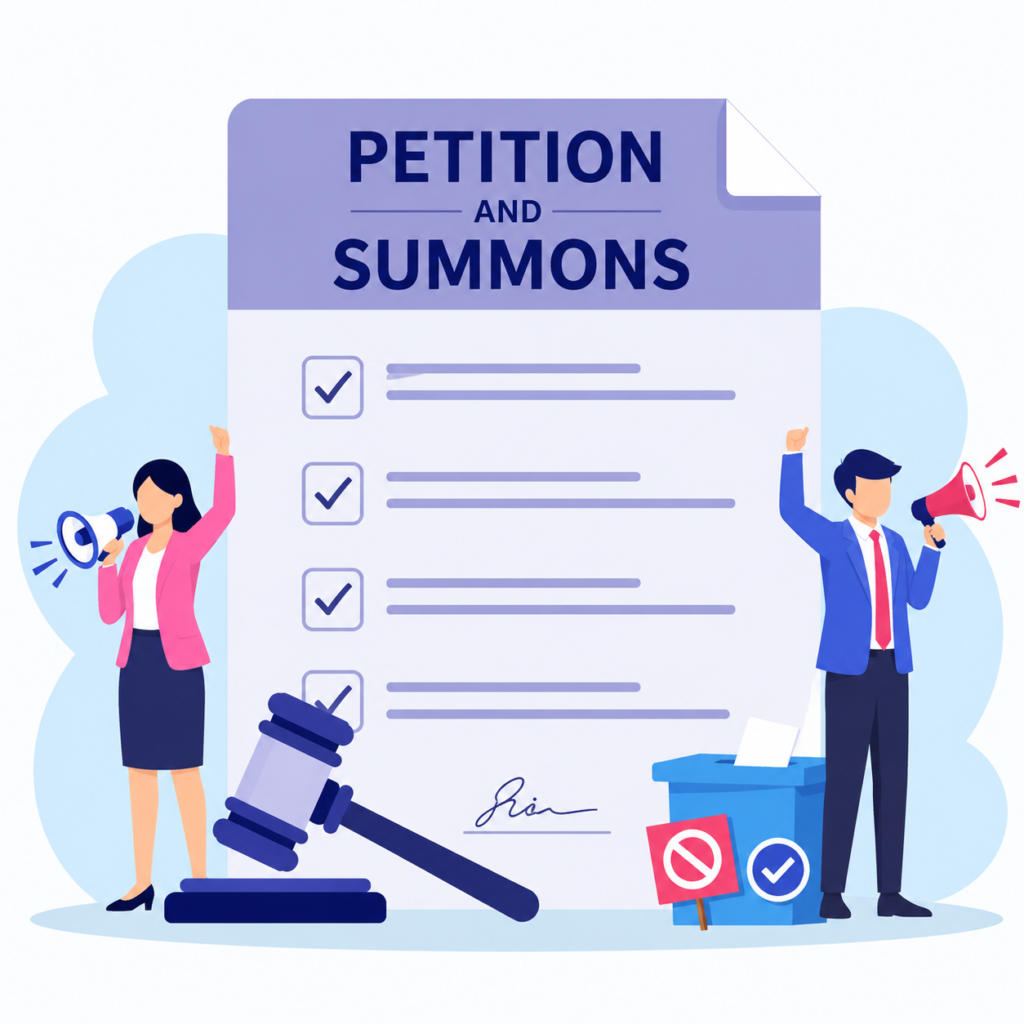
The Petition formally asks the court to dissolve the marriage and identifies the general issues involved in the case, including property, support, and child-related matters when applicable. The Summons notifies the other spouse that a divorce action has been filed and explains important legal rights and responsibilities while the case is pending.
These documents officially begin the divorce process and establish the foundation for every filing that follows.
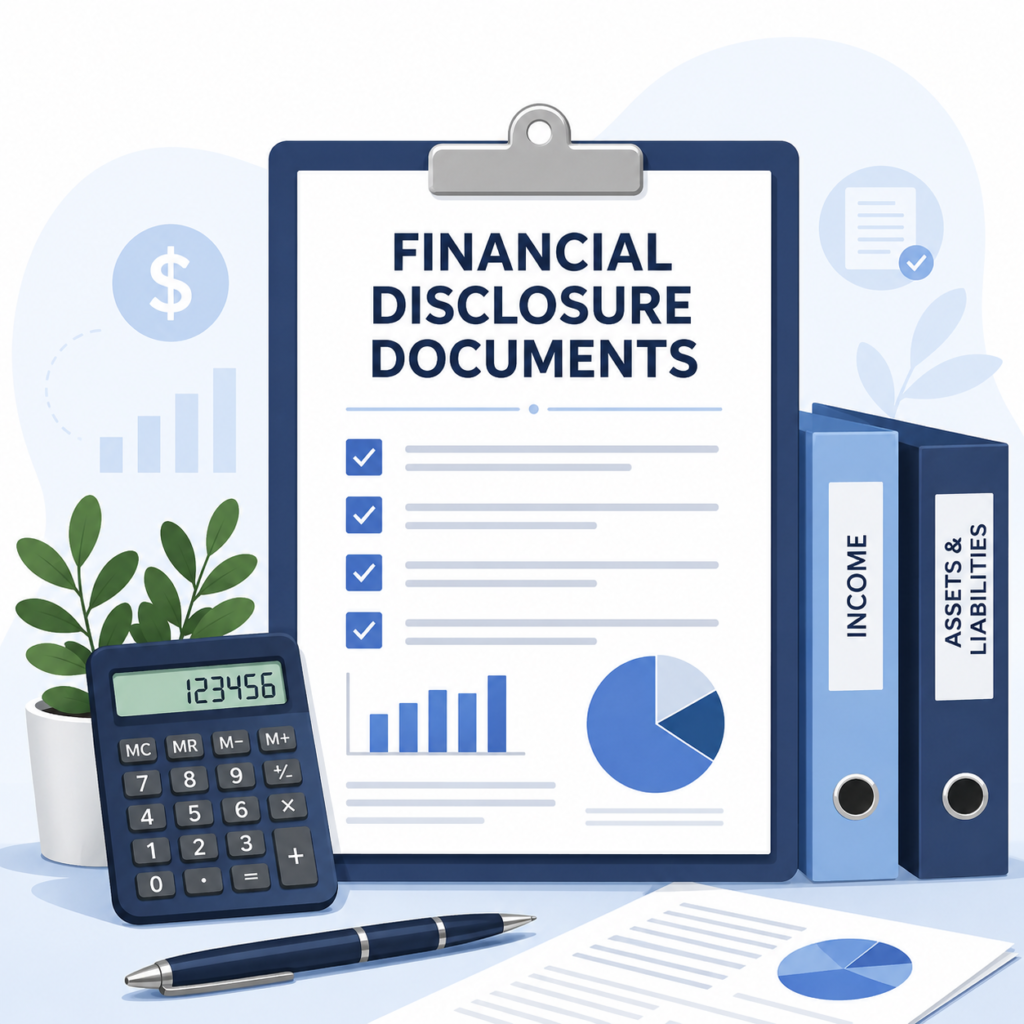
Financial disclosure documents provide information about each spouse’s income, expenses, assets, debts, investments, retirement accounts, and other financial interests. California requires both spouses to exchange these disclosures even when the divorce is uncontested.
Complete and accurate financial disclosures help ensure that settlement discussions and final judgments are based on current financial information.
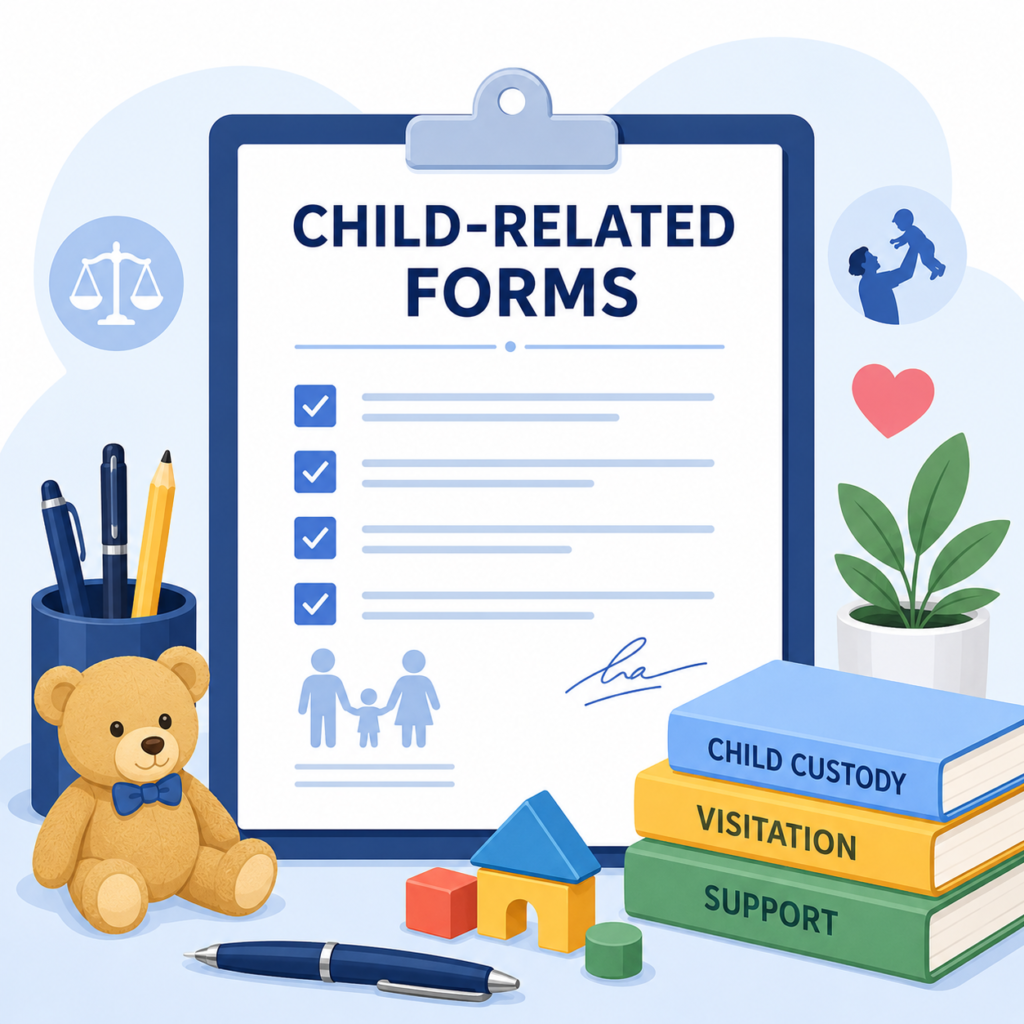
Divorces involving minor children generally require additional documents addressing legal custody, physical custody, visitation schedules, child support, and parenting arrangements. The specific paperwork depends on the circumstances of each family and the issues that must be resolved before the divorce can be finalized.
Preparing these documents carefully helps present the necessary information to the court while supporting an efficient review of the case.
Judgment documents summarize the terms that will become part of the final divorce judgment entered by the court. These documents often incorporate settlement agreements, parenting arrangements, support orders, and other decisions reached during the case.
Preparing complete judgment paperwork is one of the final steps before the divorce can be legally finalized.
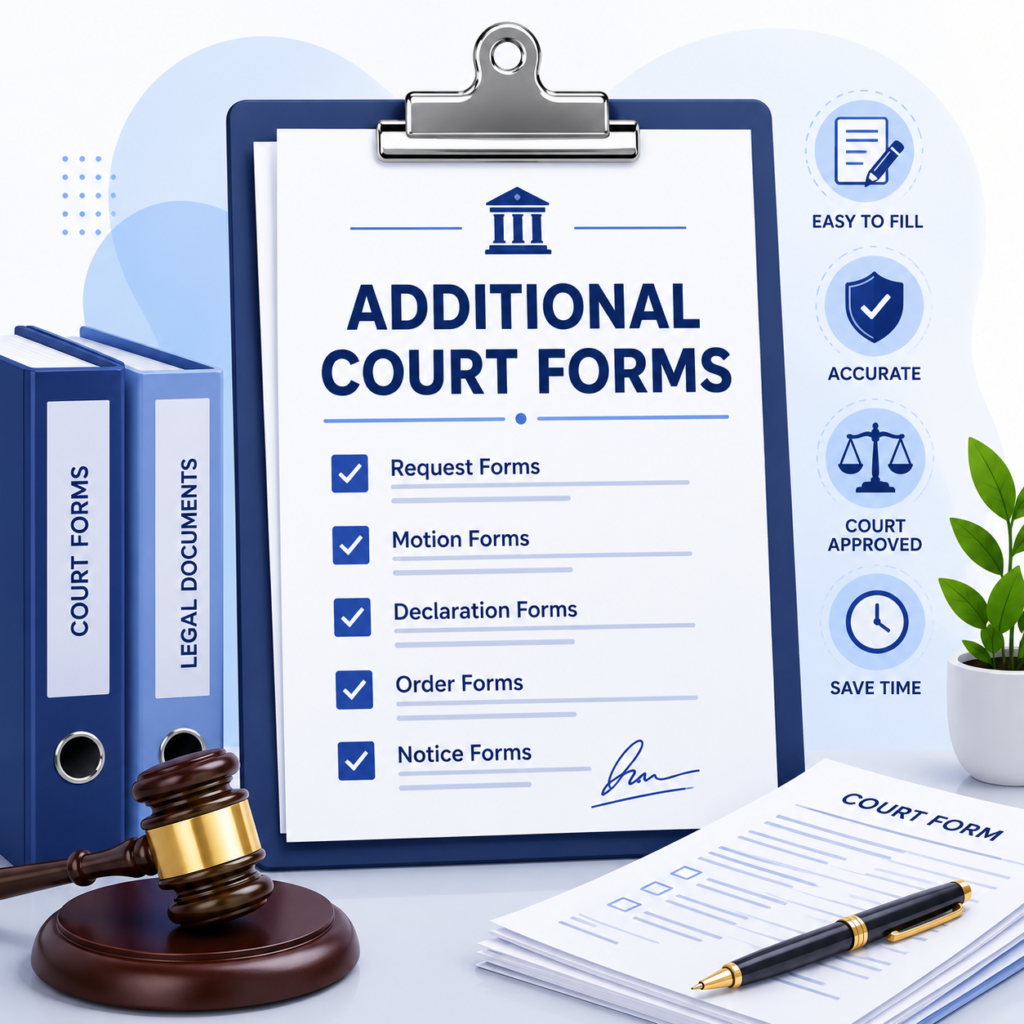
Depending on the circumstances, additional forms may be required throughout the divorce process. Requests for Order, fee waiver applications, declarations, Proof of Service documents, and other supporting paperwork are commonly filed as cases progress through the court system.
Superior Court Docs helps self-represented clients prepare the paperwork appropriate for their individual circumstances while remaining within the scope of California Legal Document Assistant services.
Every California divorce follows the same basic legal process, but the required paperwork and issues to be resolved differ depending on whether the spouses have minor children together. Understanding these differences can help you prepare the correct documents before filing.
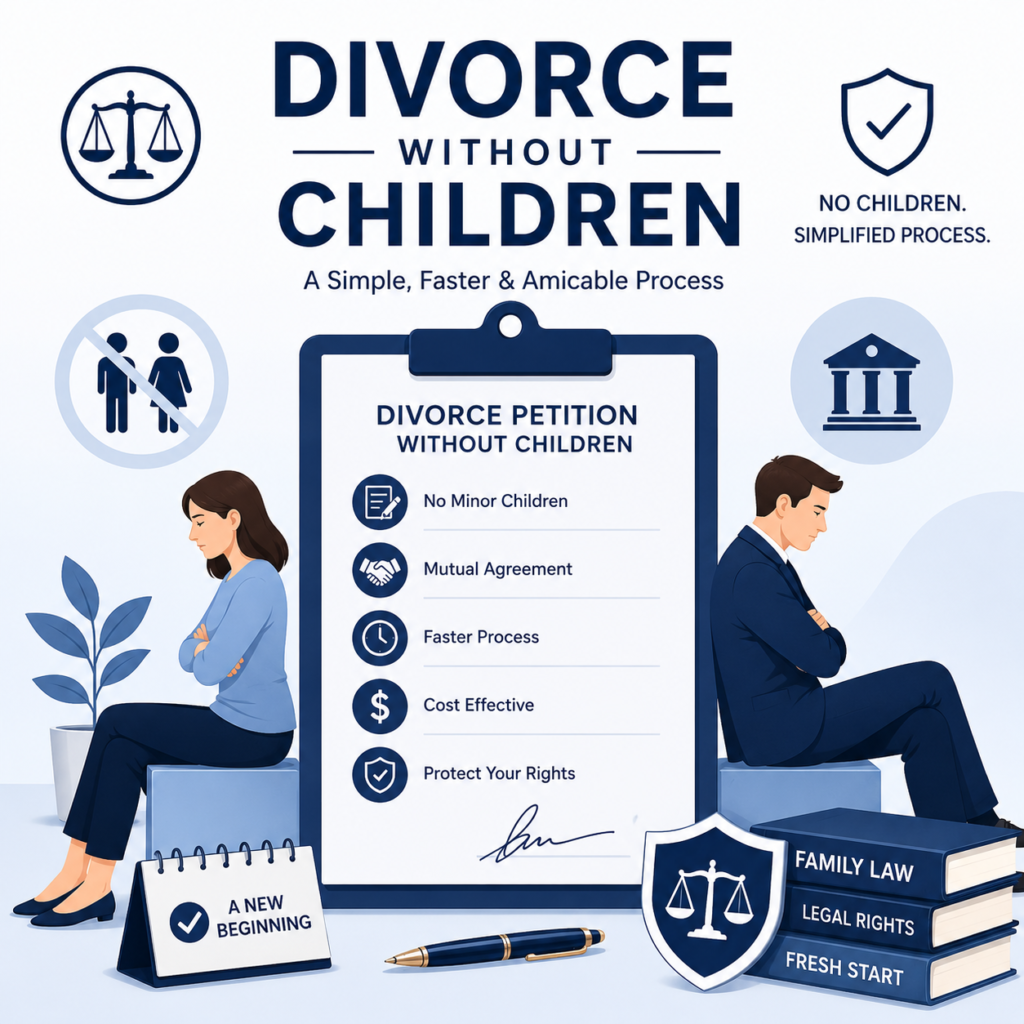
Divorces without minor children generally focus on issues such as property division, debts, spousal support, and the final judgment. Since custody and child support are not part of the case, fewer court documents are typically required, allowing the paperwork to be somewhat more straightforward. Property division, debts, spousal support, and financial disclosures generally become the primary focus of the filing process.
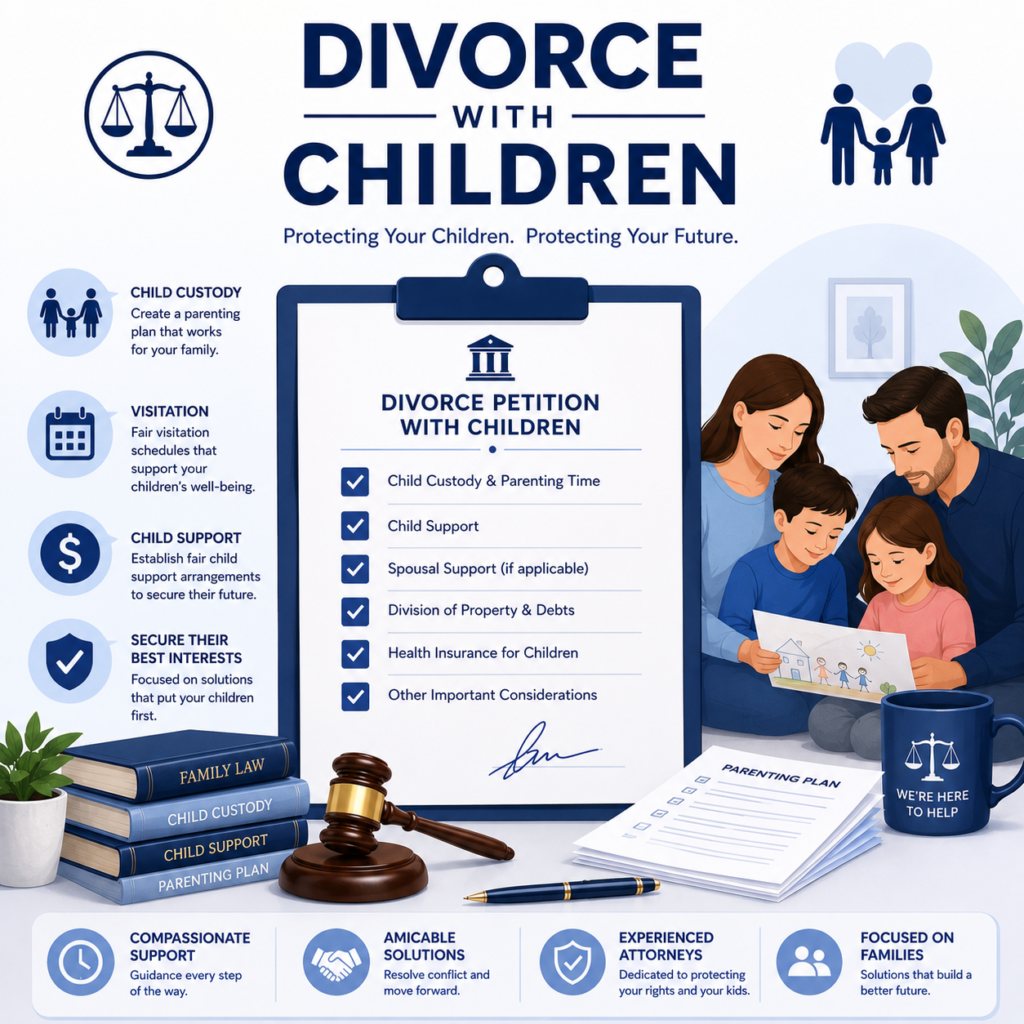
Divorces involving minor children require additional court documents addressing custody, visitation, parenting schedules, child support, and other matters affecting the children. California courts review these issues carefully before entering a final judgment, making complete and accurate paperwork especially important throughout the case.
Filing for divorce involves several required steps, and delays often happen because paperwork is incomplete or court procedures are not followed correctly. Taking the time to prepare accurate documents and submit them in the proper order can help keep your case moving through the Los Angeles County court system with fewer interruptions.
California divorce paperwork requires detailed information, and every document should be completed carefully before filing. Missing information, incorrect dates, unanswered questions, or inconsistent information between forms may require corrections before the court can continue processing the case.
Reviewing every document for accuracy before filing helps reduce unnecessary delays and additional trips to the courthouse.
Filing the initial divorce petition does not complete the divorce. The court cannot finalize the case until all required judgment documents have been prepared and submitted after the earlier stages of the process have been completed.
Serving divorce papers is a legal requirement under California law. The spouse filing for divorce cannot personally serve the other party, and the required Proof of Service documents must also be completed correctly.
Improper service is one of the most common reasons divorce cases are delayed because the court cannot move forward until service requirements have been satisfied.
Financial disclosure documents are required in nearly every California divorce. Omitting assets, debts, income, or required supporting information may delay settlement discussions and the final judgment.
Preparing complete financial disclosures helps both parties work from the same financial information while allowing the court process to continue without unnecessary corrections.
California divorces involve multiple stages, and certain documents cannot be filed until earlier requirements have been completed. Attempting to submit judgment paperwork before required disclosures or service documents have been completed may result in delays.
Following the proper sequence throughout the divorce process helps reduce filing problems and keeps the case progressing toward final judgment.
Divorce paperwork includes multiple court forms that must work together, remain consistent throughout the filing, and be organized before they are submitted to the court. Superior Court Docs helps self-represented individuals prepare divorce documents based on the information they provide, making the document preparation process more manageable from beginning to end.
Our document preparation process begins with questionnaires designed to gather the information needed for your case. After reviewing the information you provide, we prepare the required divorce paperwork, organize the document package, and review everything for completeness and consistency before the documents are finalized. We also provide filing instructions so you understand the next steps after your paperwork has been prepared.
Superior Court Docs is a registered California Legal Document Assistant, not a law firm. We cannot provide legal advice, recommend legal strategies, or represent clients in court. Our role is to prepare accurate legal documents for self-represented individuals while helping simplify the paperwork required throughout the California divorce process.
California requires a mandatory six-month waiting period before a divorce can become final. The total length of the case depends on factors such as document preparation, service of process, financial disclosures, and whether the spouses reach agreements on the issues involved.
The Los Angeles County Superior Court charges a filing fee when a divorce petition is submitted. Individuals who meet California’s financial eligibility requirements may qualify for a court fee waiver that reduces or eliminates the filing fee.
No. A divorce case may continue even if the other spouse chooses not to participate after being properly served. California courts have procedures for moving cases forward when legal requirements have been satisfied.
No. Mutual agreement can simplify the process, but California does not require both spouses to agree before a divorce can proceed. If disagreements remain, the court may resolve the unresolved issues before entering a final judgment.
California provides procedures for situations where a spouse cannot be located after reasonable efforts have been made. The process depends on the specific circumstances of the case and may require additional court approval before the divorce can continue.
Court appearances depend on the circumstances of the case. Uncontested divorces with complete paperwork may require little or no time in court, while disputed cases often involve one or more hearings before a judge.
Spouses who reach agreement on property division, support, custody, and other issues may be able to resolve their divorce more efficiently by submitting a Marital Settlement Agreement and the remaining required court documents.
Before beginning the document preparation process, it’s helpful to gather financial records, information about assets and debts, income information, and any existing court orders that may affect your case. Having this information available can make preparing divorce paperwork more efficient and help reduce delays caused by missing information.
In many situations, California allows divorce documents to be amended or corrected after they have been filed. The process depends on the type of document involved and the stage of the case. Preparing accurate paperwork from the beginning can help reduce delays caused by amendments or corrections later.
No. Filing for divorce begins the legal process, but the marriage is not dissolved until the court enters a final Judgment of Dissolution and California’s mandatory waiting period has been satisfied.
Superior Court Docs helps self-represented individuals throughout Los Angeles County prepare divorce documents, organize court paperwork, and navigate the document preparation process with confidence. Our experienced team prepares documents based on the information you provide while remaining within the scope of California Legal Document Assistant services.
If you’re ready to begin filing for divorce in Los Angeles County, contact Superior Court Docs today to learn more about our divorce document preparation services and start preparing the paperwork required for your California divorce.