
California Small Claims Court provides a simplified legal process for resolving certain civil disputes without the formal procedures associated with larger civil lawsuits. The court is designed for qualifying claims that fall within its jurisdiction and allows individuals and eligible businesses to present their cases directly to the judge. Although the process is less formal than traditional civil litigation, filing a Small Claims case still requires properly prepared court documents, compliance with procedural requirements, and adherence to the rules governing service and court proceedings.
This guide explains how California Small Claims Court works, who may file a claim, the types of disputes commonly heard, the court process, and the documents frequently used throughout the proceeding. Superior Court Docs prepares Small Claims Court documents for self-represented individuals but does not provide legal advice, evaluate the merits of a claim, or represent clients in court.

California Small Claims Court is a division of the Superior Court established to resolve qualifying civil disputes through a simplified judicial process. The court hears cases involving monetary claims that fall within the jurisdiction established by California law and is intended to provide an efficient forum for resolving disputes without the complexity of traditional civil litigation.
Proceedings in Small Claims Court differ from other civil cases in several important respects. The procedures are streamlined, hearings are generally less formal, and parties ordinarily represent themselves rather than appearing through attorneys during the hearing. Despite these procedural differences, Small Claims Court remains a judicial proceeding, and the court applies California law when reviewing the evidence presented and deciding each case.
The court’s responsibility is to evaluate the evidence submitted by the parties, determine the facts established during the proceeding, and issue a judgment consistent with the applicable law. Filing a Small Claims case does not guarantee recovery, and each claim is decided according to its own facts and the evidence presented to the court.
California law permits both individuals and certain business entities to file qualifying claims in Small Claims Court, provided the dispute falls within the court’s jurisdiction and the applicable procedural requirements have been satisfied. The person bringing the claim is known as the plaintiff, while the individual or business against whom the claim is filed is known as the defendant.
Individuals may file Small Claims cases involving qualifying civil disputes that fall within the court’s jurisdiction. Before filing, the plaintiff should identify the correct defendant, prepare the required court documents, and file the claim with the appropriate California Superior Court.
Because Small Claims Court is intended for self-represented litigants, individuals are generally responsible for presenting their own cases during the hearing in accordance with California law.

Businesses may also file qualifying Small Claims actions under the circumstances permitted by California law. Business-related claims frequently involve unpaid invoices, contract disputes, property damage, or other financial disagreements arising from commercial transactions.
Business entities filing Small Claims cases remain subject to the same procedural requirements governing document preparation, filing, service of process, and court appearances as other litigants.
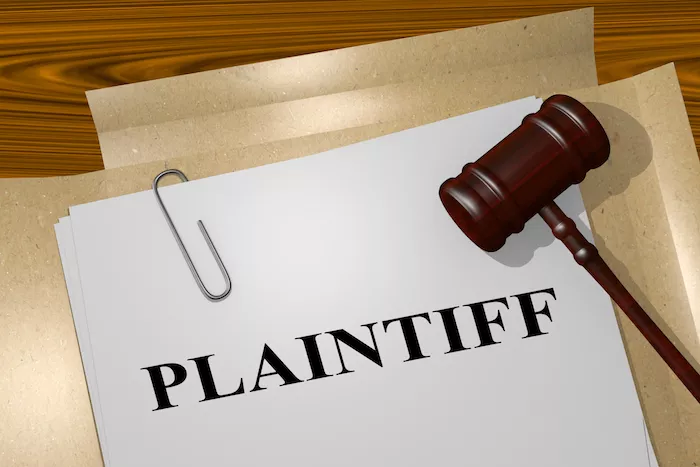
Every Small Claims case involves at least two parties. The plaintiff initiates the action by filing the claim with the court, while the defendant receives notice of the proceeding and has an opportunity to respond during the scheduled hearing.
The court considers the information and evidence presented by both parties before determining whether the plaintiff has established the claim under California law.

Small Claims Court is intended to resolve qualifying monetary disputes within the jurisdiction established by California law. Claims that exceed the court’s jurisdictional limits or seek remedies unavailable through Small Claims Court may need to be pursued through a different civil court proceeding.
Determining whether a dispute belongs in Small Claims Court depends upon the nature of the claim, the relief requested, and the applicable jurisdictional requirements rather than solely on the underlying disagreement between the parties.
California Small Claims Court hears a wide variety of civil disputes involving monetary claims. Although each case is decided according to its own facts, certain categories of disputes appear regularly because they involve financial losses or contractual obligations that fall within the court’s jurisdiction.
Property damage disputes commonly arise after vehicle collisions, damage to personal property, construction issues, or other incidents involving alleged financial loss. A Small Claims action may be used to request reimbursement for qualifying damages when the claim falls within the court’s jurisdiction.
Supporting documentation relating to the damage, repair costs, photographs, invoices, estimates, or other records may become part of the evidence presented during the hearing.
Small Claims Court frequently hears disputes involving unpaid loans, unpaid invoices, unpaid services, or other financial obligations that remain unresolved after payment has been requested.
The plaintiff generally presents documentation supporting the claimed debt, while the defendant has the opportunity to present evidence disputing the claim before the court issues its decision.
A Small Claims case may arise from disagreements involving written or oral agreements when one party alleges that contractual obligations were not fulfilled. Contract disputes presented in Small Claims Court commonly involve unpaid services, failure to perform agreed work, delivery issues, or other alleged breaches of contractual obligations.
The court reviews the agreement, supporting documentation, and evidence presented by the parties before determining whether the plaintiff has established the claim.
Disagreements concerning residential security deposits are among the matters frequently presented in California Small Claims Court. These disputes may involve the return of a security deposit, deductions made after the tenancy ended, or disagreements regarding the condition of the rental property.
The court reviews the evidence presented by both parties, including lease documents, photographs, inspection records, receipts, correspondence, and other materials relevant to the dispute.
Consumer-related disputes may also be appropriate for Small Claims Court when the claim falls within the court’s jurisdiction. Depending upon the circumstances, these matters may involve defective goods, failure to provide contracted services, billing disputes, warranty issues, or other monetary disagreements arising from consumer transactions.
Each claim is evaluated individually, and the court determines whether the evidence establishes the plaintiff’s entitlement to the relief requested under California law.
A Small Claims case proceeds through an established court process designed to provide both parties with notice and an opportunity to present their positions before the court issues a judgment. Although the specific facts differ from one case to another, the procedural steps generally remain consistent throughout California.
The process begins by preparing the documents necessary to file the claim. The paperwork generally identifies the parties, describes the basis of the claim, states the amount being requested, and provides the information required for the court to review the matter. Accurate and complete documents help establish the official court record from the outset of the case.
Superior Court Docs prepares Small Claims Court documents for self-represented individuals using the information provided by each client while remaining within the scope of California Legal Document Assistant services.
After the documents have been prepared, they are filed with the appropriate California Superior Court. Filing formally begins the Small Claims action and places the dispute before the court for judicial review. Filing fees generally apply, although fee waivers may be available for individuals who qualify under California law.
Filing should occur in the court that has jurisdiction over the dispute under California law. Once the claim has been accepted, the court schedules the matter for further proceedings.
California law generally requires the defendant to receive formal notice of the Small Claims action before the hearing can proceed. Service of process ensures that the defendant has an opportunity to review the claim, prepare a response, and appear before the court.
After service has been completed, Proof of Service documents are filed to establish that proper notice has been provided. Except where authorized by law, the plaintiff generally may not personally serve the claim on the defendant.
Before the scheduled hearing, each party gathers the documents and other materials that support their position. Depending upon the nature of the dispute, this may include contracts, invoices, receipts, photographs, correspondence, repair estimates, financial records, or other evidence relevant to the issues before the court.
Organizing the supporting documentation before the hearing helps ensure the court receives a clear presentation of the facts upon which the claim is based.
During the hearing, the judge reviews the evidence presented by both parties and may ask questions concerning the dispute. Each side has an opportunity to explain its position, present supporting documentation, and respond to the information presented by the opposing party.
After considering the evidence and the applicable law, the court issues its decision. Depending upon the circumstances, the judgment may be announced during the hearing or issued afterward according to the court’s procedures.
If the court enters judgment in favor of a party, the judgment establishes the legal rights and obligations determined by the court. Entry of judgment concludes the Small Claims proceeding itself, although additional legal procedures may be available if collection of the judgment becomes necessary.
The procedures governing collection are separate from the filing and hearing process addressed in this guide and depend upon the circumstances of the individual case.
California Small Claims proceedings generally involve several related court documents. The documents used depend upon the circumstances of the claim and the stage of the proceeding.
The Plaintiff’s Claim begins the Small Claims action and identifies the parties, the amount sought, and the basis of the dispute. This document establishes the issues the court will be asked to decide during the hearing.
Preparing the claim accurately helps ensure the court and the defendant clearly understand the relief being requested.
Proof of Service documents establish that the defendant received the notice required by California law. Proper service is a procedural requirement before the court may proceed with the hearing.
The Proof of Service becomes part of the court record and demonstrates that the applicable notice requirements have been satisfied.
Supporting documentation frequently includes contracts, invoices, receipts, estimates, photographs, correspondence, financial records, and other materials relating to the dispute. These documents assist the court in evaluating the facts presented during the hearing.
The specific evidence appropriate for a particular case depends upon the nature of the claim and the issues before the court.
Individuals who satisfy California’s financial eligibility requirements may request a waiver of applicable court filing fees. Fee waiver documents provide the court with the information necessary to determine whether the request should be granted under California law.
The availability of a fee waiver depends upon the individual’s circumstances and the applicable legal requirements.
After the court reaches a decision, judgment documents reflect the outcome of the proceeding and the relief awarded, if any. These documents become part of the official court record and may be referenced during any subsequent proceedings relating to the judgment.
Small Claims Court is intended to simplify the resolution of qualifying disputes, but procedural requirements still apply throughout the case. Errors involving court documents, filing, service, or required information may delay the proceeding or require corrective action before the court can consider the claim.
Small Claims actions should be filed in the California Superior Court that has jurisdiction over the dispute. Filing in the incorrect court may delay the proceeding and require the matter to be refiled or transferred according to applicable law.
The defendant must receive notice of the claim in the manner required by California law. Failure to complete proper service or file the required Proof of Service documents may prevent the hearing from moving forward as scheduled.
Court documents should accurately identify the parties, describe the basis of the claim, and include the information required for judicial review. Missing or inconsistent information may require corrections before the case proceeds.
Claims are supported by documentation relating to the dispute. Failure to organize or provide relevant supporting materials may complicate the court’s review of the issues presented during the hearing.
The scheduled hearing provides each party with the opportunity to present information directly to the court. Failure to appear may affect the court’s ability to consider that party’s position and may result in the matter proceeding according to the applicable court rules.
Preparing a Small Claims case involves more than completing a single court form. The documents should accurately identify the parties, describe the claim, correspond with the supporting information, and comply with California court requirements before they are filed. Superior Court Docs prepares Small Claims Court documents for self-represented individuals using the information provided by each client while helping organize the completed paperwork for filing.
Our process begins with questionnaires used to gather the information necessary to prepare the claim and supporting documents. After reviewing the completed information, we prepare the court paperwork, organize the document package, review it for consistency, and provide filing instructions so clients understand the procedural steps that follow document preparation.
Superior Court Docs is a registered California Legal Document Assistant. We prepare legal documents but do not provide legal advice, evaluate the legal merits of a claim, recommend litigation strategies, or represent clients in court. Our services are limited to professional document preparation within the scope authorized under California law.
California Small Claims Court is intended for self-represented litigants. The rules governing attorney participation depend upon the circumstances of the case and the applicable provisions of California law.
Depending on the circumstances, California law permits certain amendments to Small Claims filings before the hearing. Any amendment must comply with the applicable court procedures and, when required, the opposing party must receive proper notice before the court considers the revised claim.
If a properly served defendant does not appear for the scheduled hearing, the court may proceed according to the applicable rules and the evidence presented. The court determines the appropriate disposition based upon the circumstances of the case.
California law provides appeal procedures in certain Small Claims matters. The availability of an appeal depends upon the party seeking review and the circumstances of the judgment.
California law permits qualifying Small Claims actions, although limitations and procedural requirements may apply depending upon the number and nature of the claims being filed.
Identifying the correct defendant is an important part of preparing a Small Claims case. Filing against the wrong individual or business may affect the proceeding and require additional court action before the matter can be resolved.
Parties commonly bring contracts, invoices, receipts, estimates, photographs, correspondence, financial records, and other documents relevant to the issues before the court. The appropriate documentation depends upon the nature of the dispute.
After judgment has been entered, the parties must comply with the court’s order. Additional legal procedures relating to enforcement or collection may be available when appropriate, but those proceedings are separate from the Small Claims action itself.
Yes. Superior Court Docs prepares California Small Claims Court documents for self-represented individuals using the information provided by each client. Our services are limited to document preparation and do not include legal advice or courtroom representation.
Questions concerning the appropriate court for a particular dispute depend upon the facts, the relief requested, and the jurisdiction established by California law. Individuals requiring legal advice regarding the proper forum for a claim should consult a licensed California attorney.
Preparing a Small Claims case requires accurate court documents, complete supporting information, and compliance with California’s procedural requirements before the matter is presented to the court. A properly prepared filing helps establish a clear record for judicial review and allows the case to proceed through the Small Claims process.
If you need assistance preparing California Small Claims Court documents, Superior Court Docs is here to help. Contact our team today to learn more about our document preparation services and begin preparing the paperwork for your Small Claims case.